6 Best Landscaper Websites in Australia (2026)
 Pat FongFounder, ServiceScalePublished 13 April 2026 · Updated 14 October 2026 · 15 min read
Key takeaways
- Your landscaping website is either showing off work good enough to win the next job - or it's quietly telling visitors you're a mow-and-blow outfit dressed up in a template.
- One near-miss is worth naming honestly: Landscapes WA (Perth) shows a five-star rating and calls itself "Award-Winning Landscapers Since 2005," but the homepage itself uses placeholder imagery rath...
- Real photography of your own finished work, front and centre.
- If you ticked fewer than 10 of those, your website is actively costing you jobs - not because it looks bad, but because it isn't proving anything a stranger would need to see before they hand over...
- Whatever platform you choose, real photography and a named designer will outperform a fast, generic template every time in this trade specifically - landscaping is sold on taste, and taste has to b...
Your landscaping website is either showing off work good enough to win the next job - or it's quietly telling visitors you're a mow-and-blow outfit dressed up in a template. If you're not sure which one it is, you're about to find out.
We ran the same process across landscaping that we've used for every other trade in this series - and it broke. Electricians, plumbers, builders and painters all clear a hard bar: a real, exact Google rating visible without scrolling. Two separate research passes on landscaping - one broad, one narrower and deeper - turned up almost nobody who does that at any real scale. Only one business anywhere in the country cleanly cleared it, and they're a small single-market operator, not a national leader.
That's not landscaping falling short. It's landscaping working differently. The businesses that actually lead this trade don't sell trust with a star-rating widget - they sell it with a portfolio, a name attached to the work, and a wall of real recognition from people who judge landscapes for a living. So for this entry we dropped the above-fold-rating requirement and judged on what actually separates a real landscape designer from a template with a shovel icon: genuinely distinctive design, real project photography, a named founder, and real third-party validation - state industry awards, press, or a body of work good enough to win them. Ratings are a bonus here, not a bar. Two of the six below have them anyway.
The 6 Landscaper Websites That Actually Set the Standard
1. Adam Robinson Design — Sydney & Byron Bay, NSW
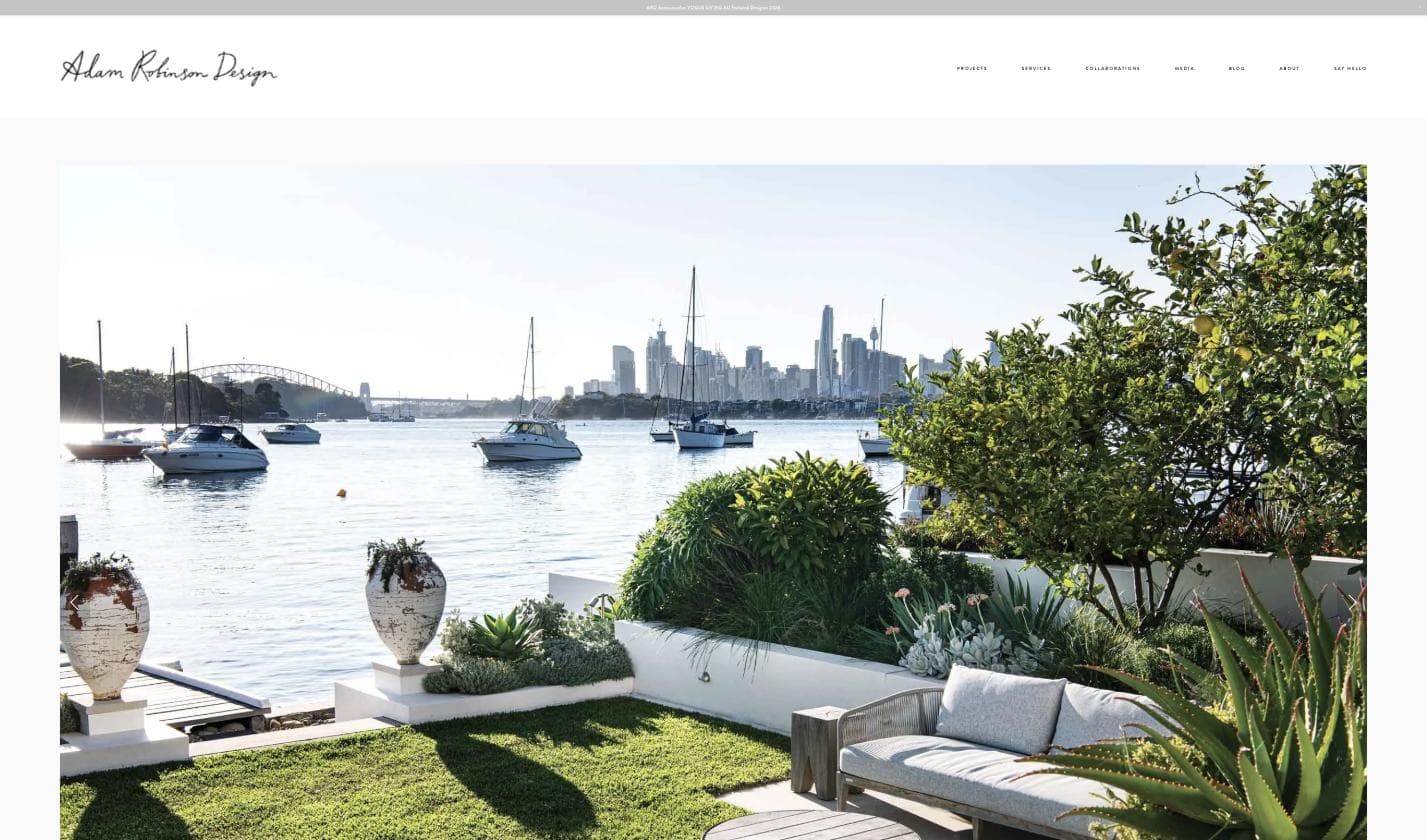
Founder Adam Robinson appears on his own homepage, and the work backs up the confidence: a decade of genuine, independently-judged wins, including Landscaper of the Year (Residential Design) at the 2025 Landscape Excellence Awards, Gold at the 2025 LDI National Landscape Design Awards, back-to-back Landscaper of the Year wins in 2022 and 2023, and a run of AILDM National Industry Award golds and silvers going back to 2016. Vogue Living Australia named the studio to its 2026 'VL50' list. Every project photo on the site - Paddington, Darling Point, a Moroccan-riad-inspired Queens Park courtyard - reads as real, shot work, not stock. The honest gap: this is a design studio that oversees construction through a hand-picked network of trades, not an in-house build crew, and there's no pricing or Google review count anywhere on the site - you're applying to work with them, not getting an instant quote.
What to steal: put the founder's face and name on the homepage itself, not buried on an About page - it's the fastest way to turn "a landscaping business" into "a landscape designer with a reputation to protect."
2. Ocean Road Landscaping — Anglesea, VIC
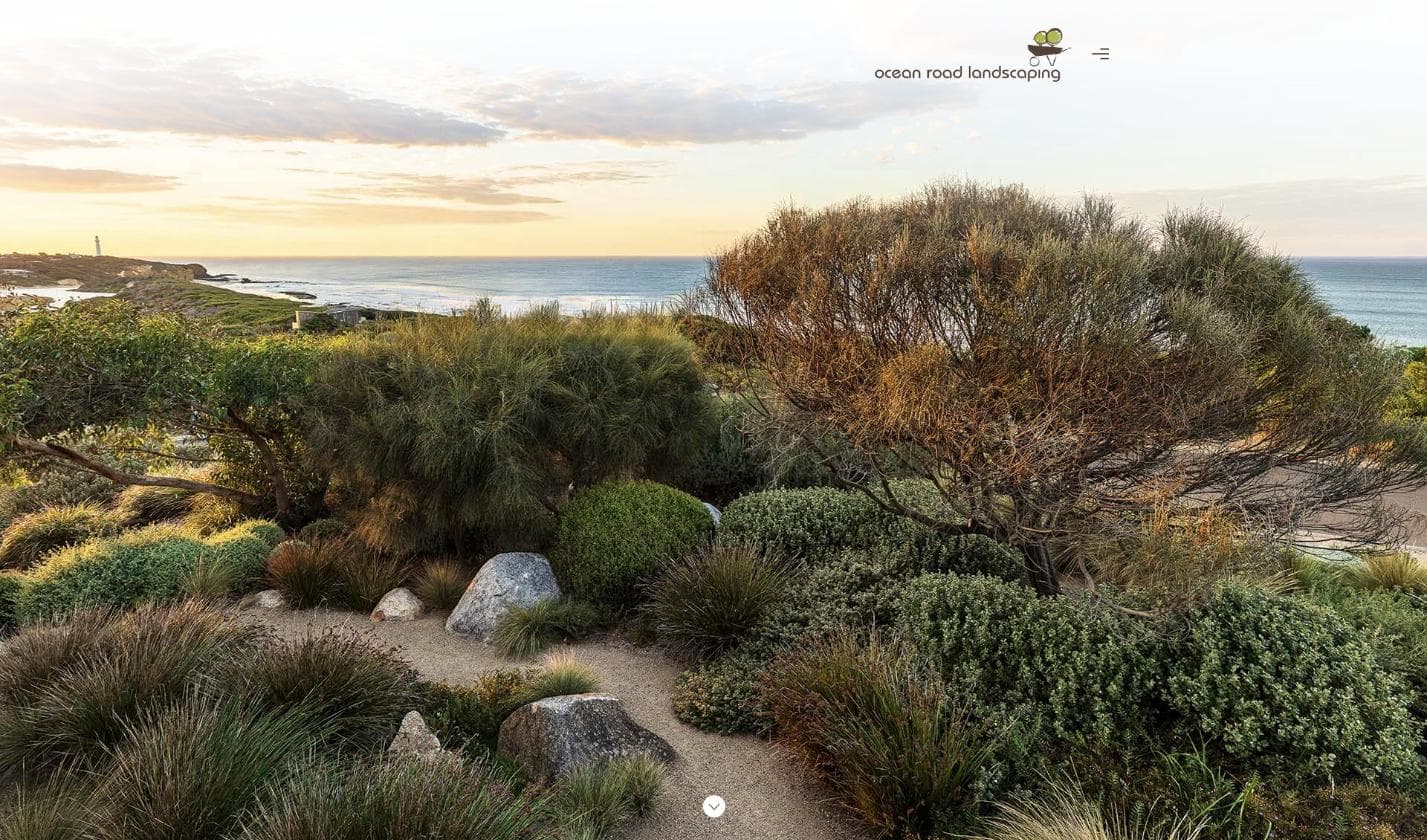
Founders Peter and Simone Shaw are named on the homepage, and "established in 1995" is a real, dated claim - a two-year-old competitor structurally cannot fake three decades. The awards page backs it up in a way most sites don't bother to: real, dated wins going back to 2005, including two 2025 Landscaping Victoria Gold awards (Softscaping in the Landscape, Creative Non-Built Landscape Design) confirmed independently on the official Landscaping Victoria winners list, not just self-reported. The hero photo - native grasses and banksia framing a lighthouse at sunset - is real, on-brand, and looks like nowhere else in this list. A 4.6-star Google rating from 11 reviews shows up as a bonus, not the headline. The honest gap: 11 reviews is a thin public trust base for a 30-year-old business, and the "since 1995" framing rests on the business's own copy rather than a third-party register.
What to steal: a dedicated, dated Awards & Media page that lists real wins by year - not a single "award-winning" badge - turns three decades of runners-up and golds into a credibility asset a visitor can actually audit.
3. Phillip Withers Landscape Design — Melbourne & Geelong, VIC
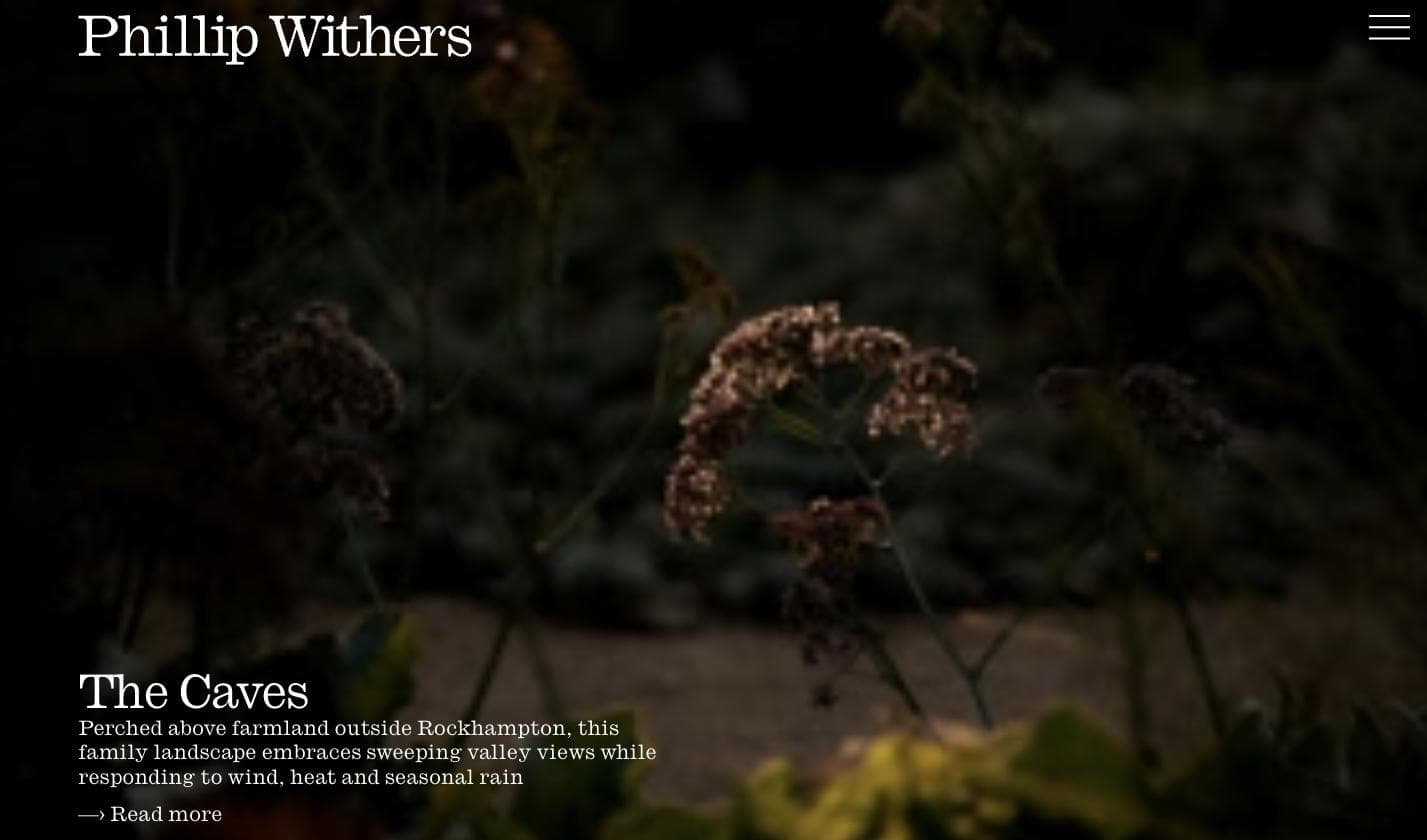
The homepage doesn't sell - it reads like a magazine, with a single moody photo, a project name ("The Caves," a farmland property outside Rockhampton), and a one-line description of how the design responds to wind, heat and seasonal rain. That restraint is the brand. Phillip Withers won Landscape Design Up to 250sqm at the 2025 Landscape Excellence Awards - confirmed on the official winners list - and the studio has published a book on naturescape design and runs a quarterly newsletter, both real markers of design authority most landscapers never build. The honest gap: none of that award history is visible on the homepage itself - you have to dig for it - and there's no Google rating or review count anywhere on the site, so a visitor has to take the design quality on faith before they find the proof.
What to steal: serif type, a single strong photo and one sentence of real context can carry a homepage further than a wall of service icons - if the photography is genuinely good enough to hold it.
4. JSW Landscapes & Design — Burleigh Heads, QLD
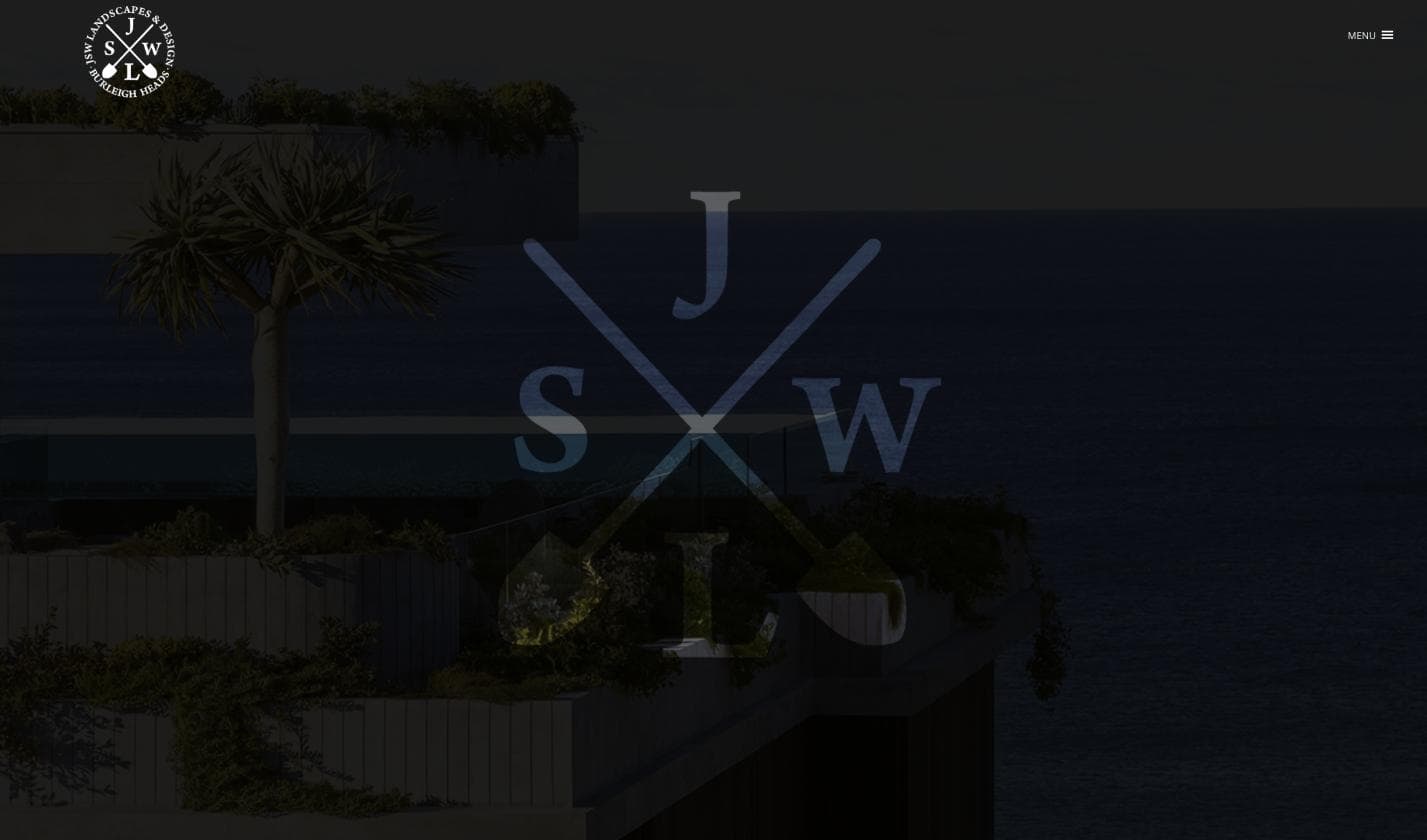
Founded by Jay Walker on the Gold Coast, JSW is named on its own site as a "multi-award-winning landscape construction company specialising in luxury," and that's backed by a real, checkable 2025 win: Overall Residential Construction of the Year at the Landscape Queensland Construction Excellence Awards, for a project called "Billy's Backyard" in Currumbin - confirmed both on JSW's own site and independently via Landscape Queensland's own award coverage. QBCC licence 1170678 is listed. The branded crossed-shovel emblem ("JSWL, Burleigh Heads") gives the business a mark that's instantly recognisable across the site, vans and socials. The honest gap: the homepage leans on a slow-loading full-bleed hero video/image sequence that took several seconds to render even on a fast connection - a real risk on mobile - and no Google review count is shown anywhere on the site.
What to steal: a genuine crest or emblem - not just a wordmark - does real work carrying a luxury positioning across every touchpoint, the same way it did for Zebra Plumbing's stripes in this series' plumbing entry.
5. Desert Flower Landscaping — Adelaide, SA
desertflowerlandscaping.com.au
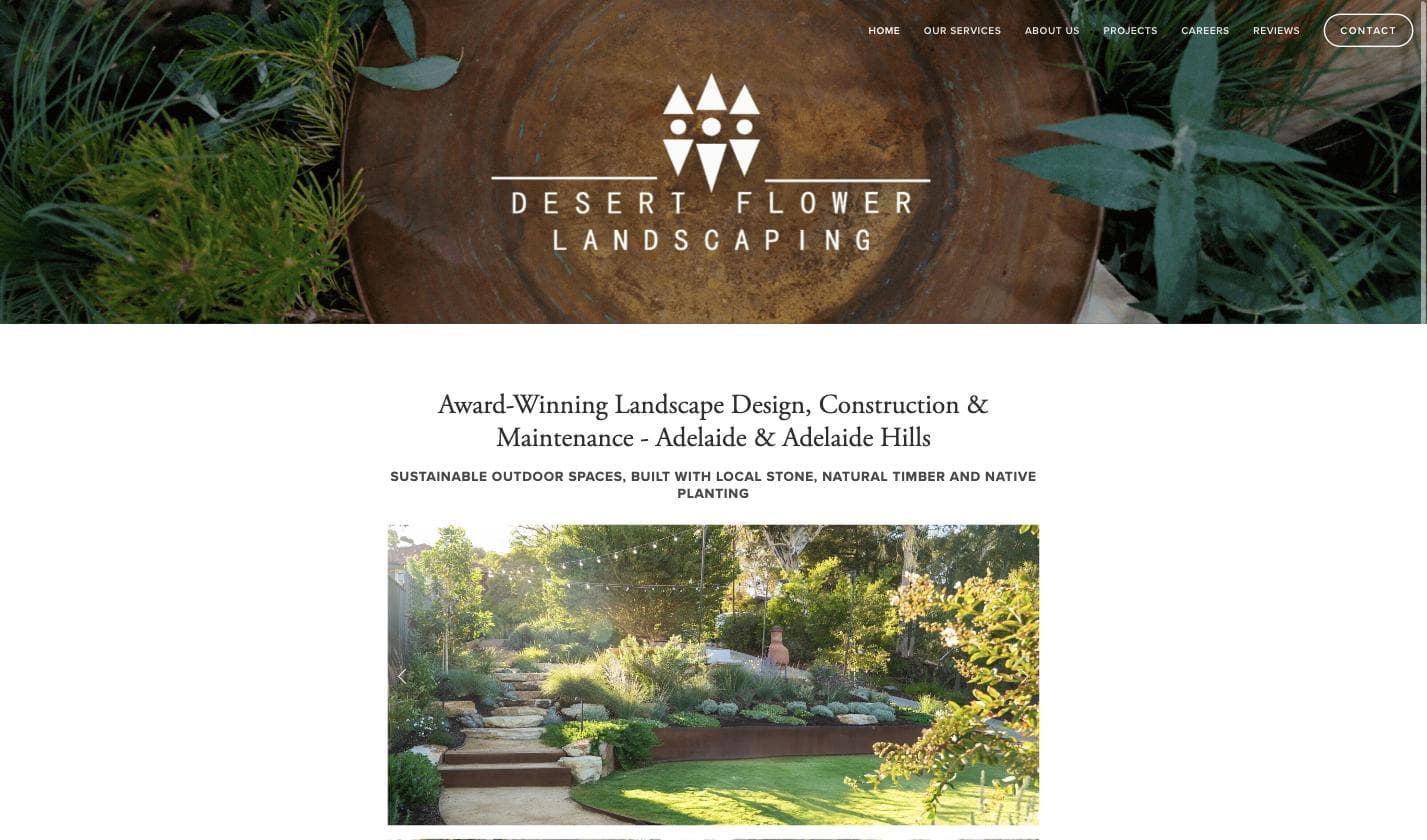
Founder Malcolm Berce is named on the site with 21 years' horticultural experience and a Diploma in Landscape Design, and the business backs up "Award-Winning" in its own headline with two real 2025 wins at the Master Landscapers SA Awards of Excellence - the Judges' Choice Award and Construction Exceeding $500K, both independently confirmed on the MLSA's own 2025 winners page. The photography throughout is real, dated Adelaide and Adelaide Hills project work, not stock. It also happens to clear the old ratings bar this series usually requires: 4.9 stars from 53 Google reviews. The honest gap: the site itself is a competent, gallery-carousel template rather than a genuinely distinctive design system - the substance here is real, but the site doesn't visually stand apart from a well-built template the way Adam Robinson Design's or Phillip Withers' do.
What to steal: naming the founder's actual qualifications (years of experience, a real diploma) does more credibility work than a generic "our team is experienced" line - specificity reads as true because it's checkable.
6. Dust to Lawn — Canberra, ACT
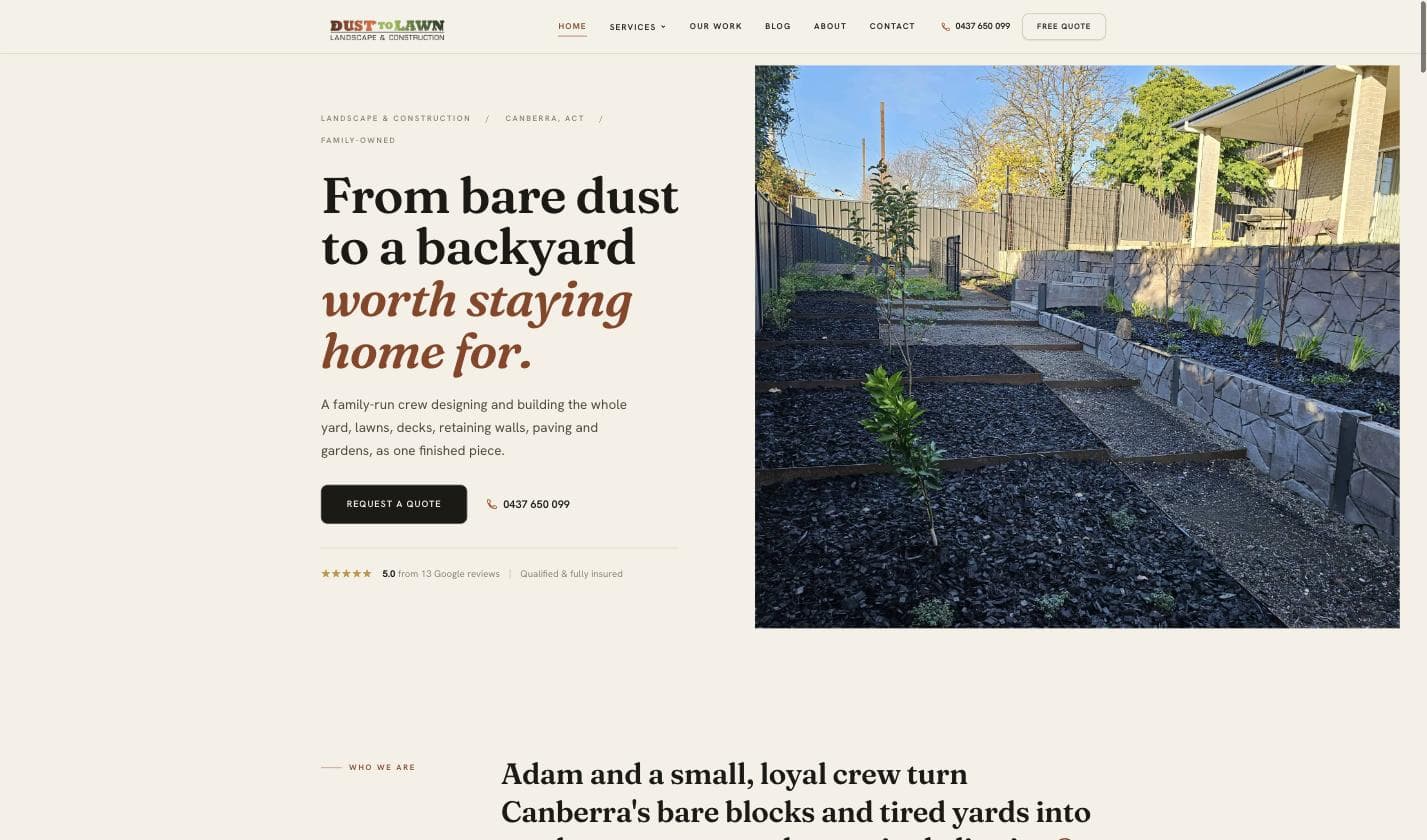
The one landscaper in this list that also clears the old ratings bar: "5.0 from 13 Google reviews" sits directly under the headline, no scrolling required. Founder Adam is named, and the site is explicit that he personally runs every project with "a small, loyal crew." There are no industry awards here - this is a small, single-market operator, not a state finalist - so the whole case rests on real before-and-after photography of actual Canberra yards and a review count you can verify with one click. It's included deliberately: proof that the ratings-led and portfolio-led paths aren't mutually exclusive, just different scales of the same honesty. The honest gap: 13 reviews and one crew is genuinely small next to the six-figure review counts and multi-decade award histories elsewhere in this series - this won't be the right reference for a business aiming at a state or national market.
What to steal: if you're small, say so and prove it - "a small, loyal crew" paired with a real, exact review count reads as more trustworthy than a generic "our team" claim from a business ten times the size.
What Actually Separates These From the Rest
One near-miss is worth naming honestly: Landscapes WA (Perth) shows a five-star rating and calls itself "Award-Winning Landscapers Since 2005," but the homepage itself uses placeholder imagery rather than real project photography above the fold, no founder is named, and the star rating carries no visible review count - real project work exists, but only if you click through to a separate portfolio page. That's the exact gap the six businesses above don't have.
Strip away the differences and all six share the same handful of things: a named founder or principal, real - not stock - photography of their own finished work, and at least one piece of proof a competitor can't simply copy: a real industry award, a dated founding story, or a genuinely distinctive visual identity.
None of them are trying to look impressive for its own sake. They're answering the same question a plumber or electrician's site answers, just with different evidence: can I trust this person's taste and workmanship enough to hand them my garden for three months.
Where Landscaper Websites Lose Potential Customers
These numbers reflect patterns across Australian tradie websites generally - consistent with usability research and our own platform data. For landscaping specifically, the biggest single failure is the easiest one to picture: a template hero image of a garden that isn't yours, sitting above a portfolio full of your actual work three clicks away.
The Non-Negotiables: What Every Landscaper Website Must Have
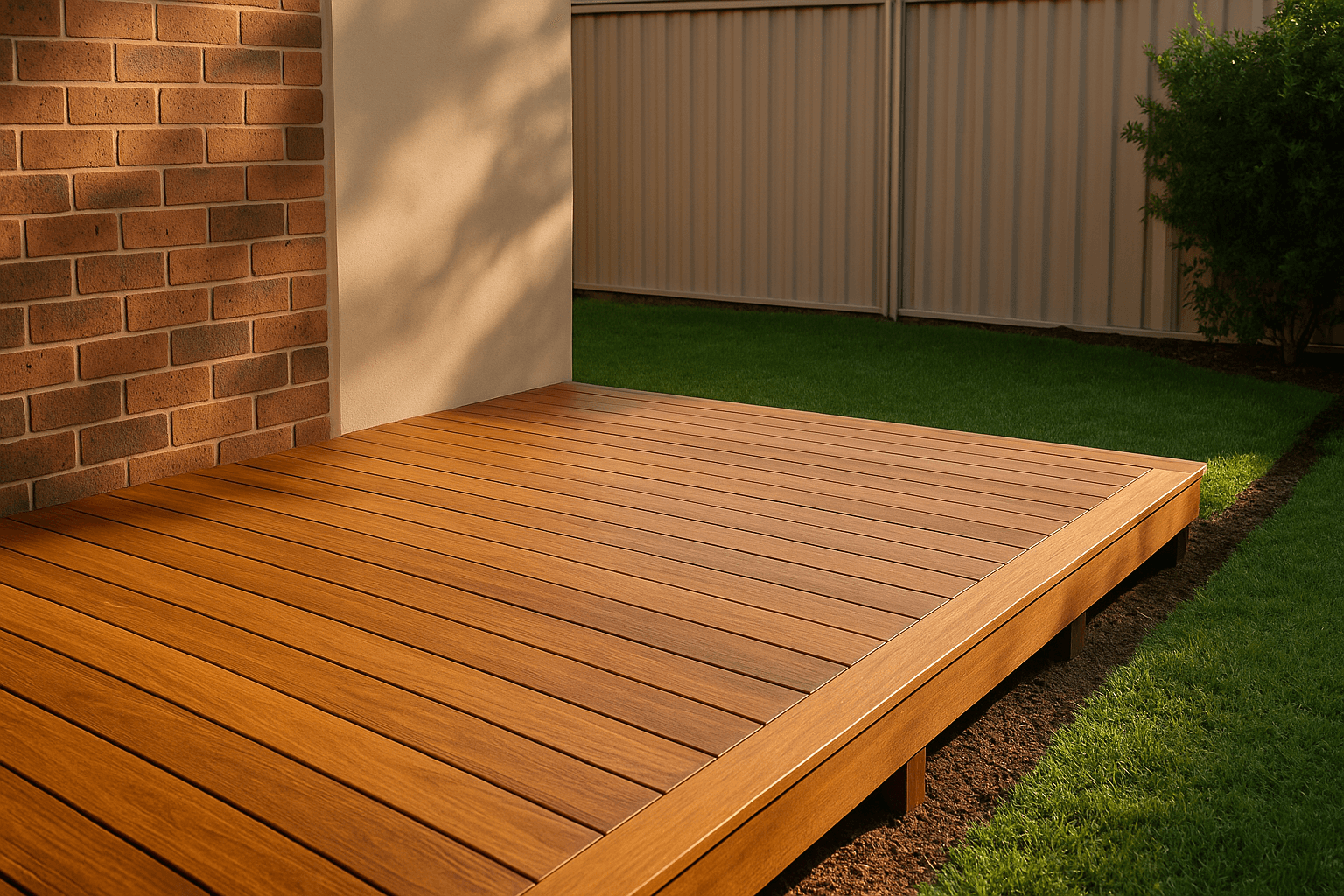
Real photography of your own finished work, front and centre. Not stock. Not a supplier's marketing image. If a visitor can't tell within five seconds whether they're looking at your work or a template's, you've already lost them.
A named founder or lead designer. "Our team" is invisible. A name, a face, and ideally a sentence about how they got into the trade turns a business into a person a homeowner can trust with months of access to their backyard.
A specific service area with actual suburb names. Exactly as true for landscaping as for any other trade - "servicing Melbourne" tells Google and your customers almost nothing.
Real proof, whatever form it takes. A dated industry award, genuine press coverage, or - if you have them - real reviews with an exact, visible count. Any one of these beats a generic "we're the best" claim; a template with none of them is invisible next to a competitor with even one.
Easy contact, even without an urgent trigger. Landscaping jobs rarely have the "burst pipe" urgency of plumbing, but a visible phone number and a simple enquiry form still matter - don't make a ready buyer hunt for a way to reach you.
One quick win right now
Open your website on your phone. Is the first image you see real work you've actually completed - or a stock photo of someone else's garden? If it's the latter, swap it this week. It costs nothing and it's the single highest-leverage fix on this list.
The 15-Point Landscaper Website Checklist
Landscaper Website Conversion Checklist
If you ticked fewer than 10 of those, your website is actively costing you jobs - not because it looks bad, but because it isn't proving anything a stranger would need to see before they hand over their backyard for a season.
Choosing the Right Platform for Your Landscaper Website
How to Choose and Set Up Your Landscaper Website
Define your budget and how design-led you want to be
Budget $3,500–$10,000 AUD for a WordPress or Webflow build through an agency that can handle a genuine photo-led design, especially if you want a portfolio-first layout like the studios above. Squarespace can work well for a photography-heavy landscaping site at $25–$50/month, but check its gallery and load-speed limits first.
Commission or gather real photography before you start
This matters more for landscaping than almost any other trade. Book a photographer for your next 2-3 completed jobs if you don't already have strong shots - it's the single highest-leverage investment on this whole list.
Collect your proof points before you brief anyone
Before design starts, gather: your founder's name and a decent photo, any award or association membership, your service area suburb list, and your best 8-10 project photos.
Prioritise photo load speed, not just page speed
A photography-led site lives or dies on how fast its images load. Compress and lazy-load hero images specifically - a beautiful photo that takes 6 seconds to appear undoes its own purpose.
Whatever platform you choose, real photography and a named designer will outperform a fast, generic template every time in this trade specifically - landscaping is sold on taste, and taste has to be shown, not claimed.
Your 90-Day Website Improvement Timeline
90-Day Landscaper Website Overhaul Plan
Fix the credibility gaps
Audit your current site against the 15-point checklist above. Replace any stock or supplier imagery with your own real project photos, even phone shots are better than stock. Add your name and photo if you're not already on the homepage.
Build out what actually convinces people
Book a photographer for 2-3 recent jobs if your photography is thin. Build or expand a dedicated portfolio/gallery page. If you have any award, association membership or press mention, add a dated Awards & Media page - don't just say "award-winning."
Track, refine, and build on what's working
Set up Google Analytics 4 and Google Search Console. Check which project photos people spend the most time on - that's a strong signal for what to shoot more of. Test your hero image load time on a real mobile connection, not just wifi.
None of this requires you to be a designer. It requires treating your finished gardens the way you'd treat any other proof of quality work - photograph them properly, and put that proof where a stranger will actually see it.
The ServiceScale newsletter
Get practical tips for your trade business
Free guides, tools, and insights, delivered when we publish something worth reading.
No spam. Unsubscribe anytime. We only email when we've got something worth your time.
What to Do This Week
You don't need a full portfolio site rebuild to start seeing better results. The highest-impact change for a landscaper specifically is almost always photography - swapping even one stock or low-quality hero image for a real, well-shot photo of your own work can be done this week.
Run the checklist above on your current site. Be honest about which parts of it are proof and which parts are just claims. Then look back at the six sites above and pick the one thing you're going to steal first.
A high-converting landscaper website isn't about looking impressive - it's about proving, in the first five seconds, that the garden in the photo is actually yours. Use real project photography, name your founder or designer, and back yourself with whatever real proof you have - an award, press, or a genuine review count. Those three changes alone will put you ahead of most of your local competitors, because most of them are still running someone else's stock photo.
Related guides
- 8 Best Electrician Websites in Australia (2026)
- 4 Best Plumber Websites in Australia (2026)
- 4 Best Builder Websites in Australia (2026)
- 3 Best Painter Websites in Australia (2026)
- Why Your Tradie Website Isn't Getting Leads
- What Makes a Great Service Business Website in 2026
Want it built and wired to your tools? See our websites for tradies.
<!--/campaign-links-->FREE TOOL · WEBSITE QUOTE BUILDER
What would a website actually cost you?
Eight questions about your business, and you get the pages we'd build, the package it lands on and the price. On screen, no call.
Related guides